Source Metal Ingot Melting Quartz Crucible for Smelting
Find and compare 30 metal ingot melting quartz crucible options from Chinese manufacturers. These cylindrical vessels, available in volumes from 5-2000ml, offer high purity and thermal shock resistance for industrial metal smelting and refining applications.
Key considerations
Products List


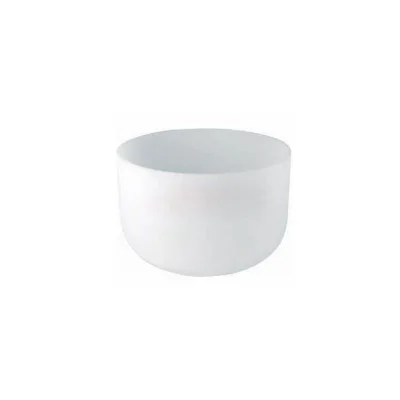


Comprehensive Sourcing Guide
Metal Ingot Melting Quartz Crucible Sourcing Guide
The procurement of metal ingot melting quartz crucibles requires a precise understanding of the material's thermal limits and chemical stability, as these components are central to high-temperature metallurgical processes. Buyers must distinguish between pure quartz glass and alternative refractory materials like graphite or alumina, as the supplied data indicates a diverse market offering products with varying refractoriness ranging from 1100°C to over 2000°C. While the core keyword focuses on quartz, the available inventory includes high-purity graphite and alumina cement options, necessitating a careful review of material specifications to ensure the selected crucible matches the specific melting point of the target metal alloy.
Successful sourcing begins with aligning the product's physical attributes with the intended industrial application, such as metal smelting, refining, or thermal analysis. The observed product range includes cylindrical shapes with capacities spanning from 5ml to 2000ml, suggesting that volume requirements vary significantly based on batch size and furnace geometry. Buyers should verify that the chosen unit offers the necessary volume stability and thermal shock resistance, as these features are critical for maintaining structural integrity during the rapid heating and cooling cycles inherent in metal melting operations.
Product Scope and Observed Listing Signals
The market for melting crucibles presents a wide spectrum of product types, including specialized graphite crucibles and standard ceramic vessels, each defined by distinct material properties and performance characteristics. Listings indicate the availability of products with purity levels exceeding 99% and even reaching 99.95%, which directly influences the contamination risk during the melting of precious or high-grade metals. The observed color variations, ranging from white to black, serve as a primary visual indicator of the underlying material composition, with black often denoting graphite-based products and white suggesting alumina or quartz-based formulations.
Volume and capacity specifications are critical decision points, as the data reveals a broad range of options from small 200ml units to large 2000ml vessels, alongside specific weight standards like 30g to 60g for smaller analytical applications. Buyers must carefully cross-reference the listed capacity with their furnace dimensions and melting throughput requirements, noting that some suppliers offer multiple specifications while others provide custom models like the YNT0048. The presence of accessories such as lids or covers further expands the product scope, offering additional protection against oxidation and thermal loss during the melting process.
Technical Specifications to Verify
Refractoriness and thermal stability are the most critical technical parameters, as the operating temperature of the melting process must remain well within the material's limit to prevent failure. The observed data shows refractoriness values ranging from 1100°C to over 2000°C, with specific models rated for 1600°C, 1770°C, and even up to 1800°C or higher. Procurement teams must verify that the selected crucible's refractoriness exceeds the melting point of the specific metal ingot being processed, ensuring a safety margin that accounts for localized hot spots and thermal gradients within the furnace.
Grain size, density, and chemical resistance are equally vital for ensuring the longevity and purity of the molten metal. High-purity graphite options with grain sizes under 100nm offer superior mechanical strength and permeability, while alumina-based materials provide excellent acid resistance and low thermal conductivity. Buyers should confirm the density specifications, such as the observed 8.57g/cm³ for certain alloys, and verify that the material is non-secondary to guarantee consistent performance. Additionally, the feature set should include thermal shock resistance and good mechanical strength to withstand the physical stresses of handling and the thermal stresses of operation.
Compliance and Safety Documentation
Certification and standard compliance are essential for validating the quality and safety of the crucible, particularly when used in regulated industrial environments. The available data highlights several certification standards, including ISO, ISO9001:2015, and SGS, which indicate that the manufacturer adheres to recognized quality management systems. Buyers should request current certificates to confirm that the specific batch of crucibles meets these standards, ensuring that the production process is controlled and the final product is free from defects that could compromise safety or product quality.
Material standards and origin documentation provide further assurance regarding the consistency and traceability of the supply chain. Listings reference standards such as ASTM and GB, alongside custom specifications, indicating that suppliers can tailor products to specific regional or industry requirements. It is crucial to verify the origin of the product, as the data points to manufacturing locations in China, including Qingdao and Luoyang, Henan. Confirming the origin helps in assessing logistics costs and potential supply chain risks, while ensuring that the product meets the specific regulatory requirements of the buyer's destination market.
Cost Drivers and Commercial Terms
Pricing and minimum order quantities (MOQ) are significant factors that influence the total cost of ownership, with observed price ranges spanning from $0.09 to $450 and MOQs varying from 1 to 5000 units. The wide price disparity reflects differences in material purity, manufacturing complexity, and capacity, with high-purity graphite and custom-sized crucibles commanding higher prices than standard ceramic options. Buyers must analyze the cost per unit in the context of their production volume, balancing the initial investment against the expected lifespan and performance of the crucible to determine the most economical choice.
Packaging and shipping terms play a substantial role in the commercial agreement, as the data indicates various packing methods including plywood cases, standard wooden packing, and carton packaging. The choice of packaging must protect the fragile crucibles from damage during transit, especially given their high refractoriness and mechanical strength requirements. Additionally, buyers should clarify stock availability, as some products are noted to be stocked in dry situations, which is critical for maintaining the material's integrity and preventing moisture absorption that could lead to thermal shock failure during the first use.
Supplier Qualification and Quality Control
Supplier qualification involves a rigorous assessment of their manufacturing capabilities, customization options, and quality control processes. The data confirms that customization is available, allowing buyers to request specific models, standards, or dimensions to fit unique furnace configurations. This flexibility is a key indicator of a supplier's technical competence, but buyers must also verify the supplier's ability to maintain consistency across batches, particularly regarding purity levels and grain size specifications.
Quality control extends to the physical handling and storage conditions of the product, as the data explicitly states that stock should be kept in dry situations. Buyers should inquire about the supplier's storage protocols to ensure that the crucibles have not been exposed to humidity, which could degrade their performance. Furthermore, the presence of features like low thermal conductivity and high refractoriness suggests that the supplier has invested in advanced manufacturing techniques, and buyers should request test results or performance data to validate these claims before placing large orders.
Long-Term Procurement Checks
Establishing a long-term procurement strategy requires regular audits of supplier performance and product consistency over time. Buyers should implement a schedule for periodic quality checks, focusing on critical attributes like refractoriness, purity, and mechanical strength to ensure that the supplied crucibles continue to meet the required specifications. This proactive approach helps identify any drift in quality before it impacts production, allowing for timely corrective actions and maintaining the integrity of the melting process.
Continuous evaluation of the supply chain's resilience is also necessary, considering factors like lead times, location, and the availability of alternative materials. The observed data shows multiple origins and standards, suggesting that a diversified supplier base can mitigate risks associated with single-source dependencies. Buyers should maintain open communication with suppliers regarding any changes in standards, such as updates to ASTM or GB regulations, and ensure that the procurement process remains adaptable to evolving industry requirements and technological advancements.
FAQs
What is the purity level of the graphite crucible?
The graphite crucible offers a purity level exceeding 99.95%. This high-purity material ensures minimal contamination during metal melting processes. It is suitable for refining applications where material integrity is critical. The non-alloy composition further supports consistent performance in high-temperature environments.
Can the crucible volume be customized for specific needs?
Yes, customization is available for the crucible volume. Standard options range from 5ml to 2000ml, with multiple specifications available. Buyers can request specific capacities to match their production requirements. This flexibility allows for tailored solutions in industrial melting and thermal analysis applications.
Which certifications are provided for the crucible products?
The products are certified under ISO standards and comply with SGS requirements. Additionally, ISO9001:2015 certification is provided for quality management. These certifications ensure that the manufacturing processes meet international quality benchmarks. Buyers can rely on these documented standards for procurement compliance and quality assurance.
What is the refractoriness temperature of the crucible?
The crucible features a refractoriness between 1770 and 2000 degrees Celsius. Some variants withstand temperatures up to 1800C, while others are rated for 1600C. This high refractoriness makes it ideal for metal smelting and glass melting. The material maintains stability under extreme heat conditions.
How is the crucible packed for shipping?
The crucible is packed in plywood cases or standard wooden packaging. Standard export packaging is also used to ensure safe transit. Some items are packed by carton for smaller quantities. This robust packaging protects the cylindrical crucibles from damage during international shipping and handling.
Where are the crucibles manufactured and shipped from?
The crucibles are manufactured in China, with origins in Qingdao and Luoyang, Henan. These locations serve as key production hubs for the products. Buyers can expect shipments originating from these Chinese cities. The domestic production ensures consistent quality and availability for global sourcing needs.